
Welcome to Cabo Verde! If you love history, vibrant culture, amazing food, water sports, world-class hiking, nature, untouched landscapes, or simply a slower pace of life, then you have found your perfect destination.
Cabo Verde is a nation made of 10 islands (9 inhabited, 1 uninhabited) tucked away in the Atlantic Ocean, at approximately 450 km/300 miles from the coast of West Africa.
Yes, it is an African country! After being discovered by Portugal in 1460 and colonized for centuries, Cabo Verde became an independent nation in 1975. Hence, Portuguese is our official language—though we will dive into this in a minute!
The capital of Cabo Verde is Praia, located on our main and largest island, Santiago. We have our own currency called the Cabo Verdean Escudo (CVE). For the most part, 1 USD is roughly 95 CVE, and 1 EUR is around 110 CVE ( make sure to check the latest conversion rate before you travel).
Is it “Cabo Verde” or “Cape Verde”? Let’s Clear This Up!
Well, both names refer to the same place, but “Cape Verde” is just a semi-translation someone made up.
Honestly, nobody really likes the “Cape Verde” version. The reason most of us used it for so long was due to the small nature of our country—it felt like conforming to the translation was the only way people abroad would figure out where we were from (at least sometimes)!
The official name, from Portuguese, is Cabo Verde (Cabo = Cape, and Verde = Green). If you are reading this, it means you care about experiencing our home authentically. So please, make an attempt to say it correctly: Cabo Verde. We truly appreciate it when visitors make the effort!
Climate & When to Visit
Cabo Verde has an arid and semi-arid climate. Due to our location, we have a long dry season running from November to July.
Overall, there are only about 3 months of wet season (August to October), but that does not mean it rains every single day! In fact, it may only rain a couple of days (not even all day) throughout those three months.
However, during this time, you get to see the “true” Cabo Verde. Remember, Verde means green! The lush scenery comes alive in our most mountainous islands like Santo Antão, São Nicolau, Santiago, Fogo, and Brava.
This climate makes Cabo Verde a perfect year-round destination—it really just depends on what you plan to do, what you want to see, and your heat tolerance.
Exploring the 10 Islands: My Insider Breakdown
Each island provides a completely unique experience. If you are willing to hop around, it is well worth it! But trust me: even if you pick just one island for your first trip, you will definitely return to explore the others.
Here is my breakdown of all 10 islands and their overall feel:
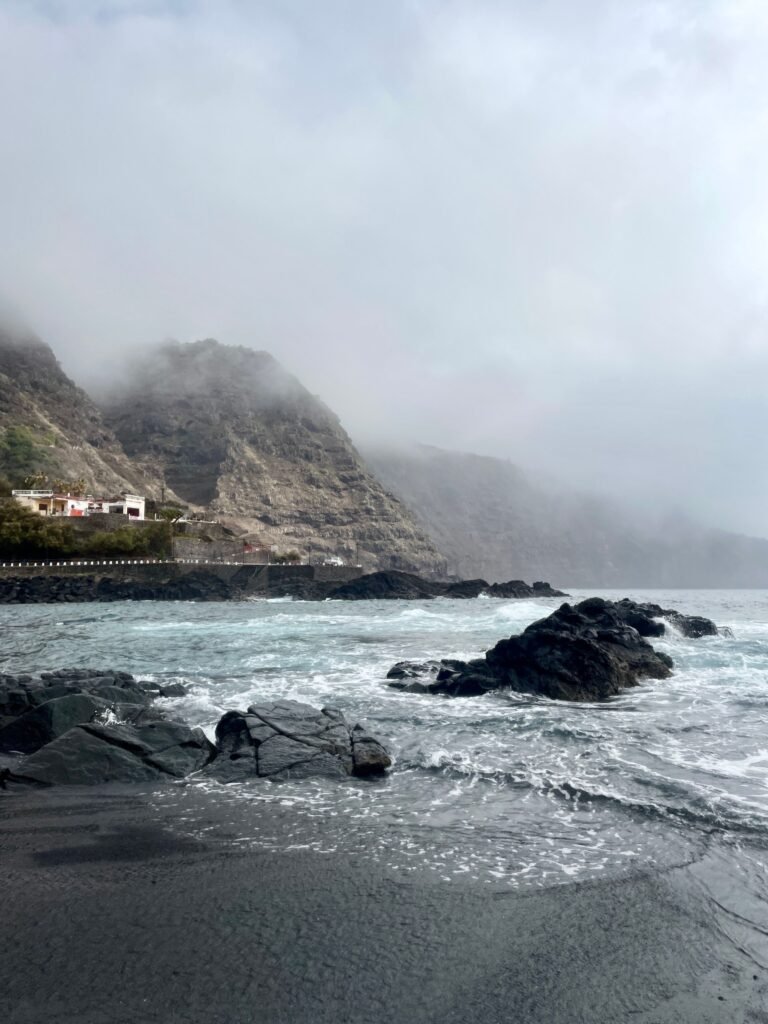
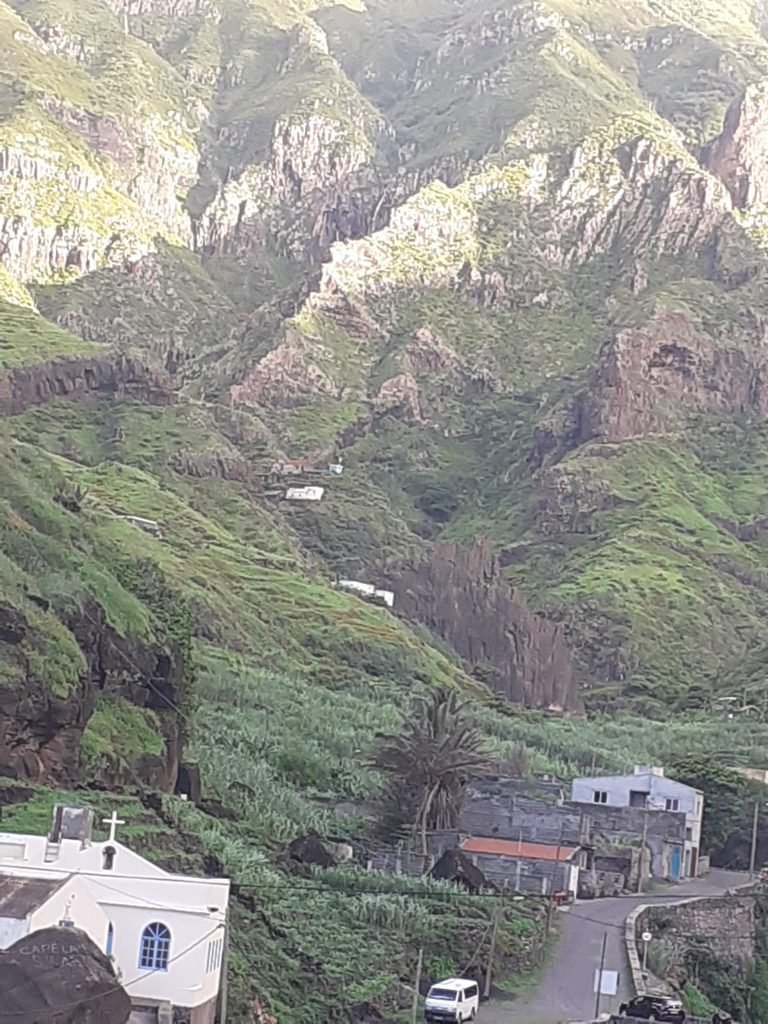
1. Santo Antão
This island offers breathtaking peaks and dramatic mountains where you will be completely immersed in nature. It provides pure tranquility and majestic hiking opportunities for all experience levels. You can also visit local markets packed with a variety of fresh fruits, vegetables, spices, artisan work, and traditional clothing. If you want tips and packing advice for this island, check out my Santo Antão travel guide.
2. São Vicente
Considered the cultural hub of Cabo Verde, São Vicente carries the deep heritage of our famous musicians, including the legendary Cesária Évora. Here, you will find music festivals, colorful Carnival celebrations, live performances in the nightlife, and beautiful beaches. You can even swim with sea turtles brought by small traditional fishermen’s boats (called botes). To get more details, read more in the post about this beautiful island.
3. Santa Luzia
This uninhabited island is now a protected sanctuary for endemic wildlife. Currently, only fishermen or people with special pre-authorized permits can visit. To learn more details about this sanctuary click here.
Did You Know? Santa Luzia is the only uninhabited island among the 10 islands of Cabo Verde! It is a strictly protected nature reserve, home to unique marine life, sea turtles, and endangered birds.
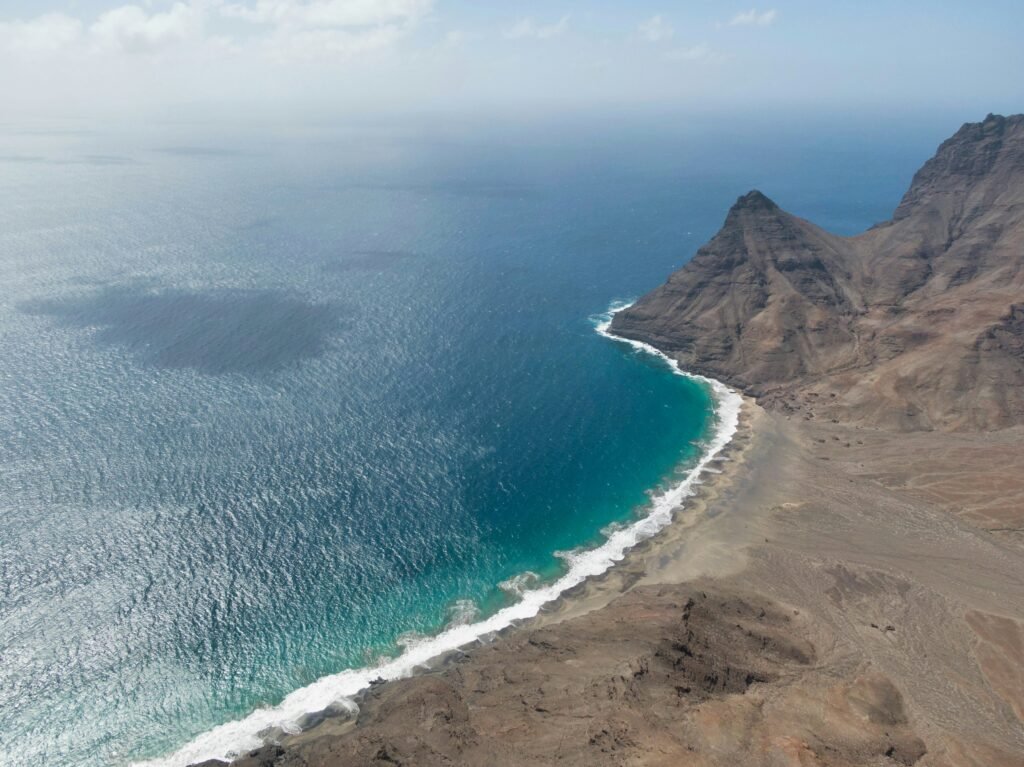
4. São Nicolau
Offers breathtaking landscapes ranging from rugged mountains to erosive rock formations shaped by the sea (like Rotcha Skribida or Carbeirinho). For most travelers, São Nicolau is a hidden secret filled with rich local food, warm culture, and peaceful quiet. I put together everything you need to know about this island in my São Nicolau guide.
5. Sal
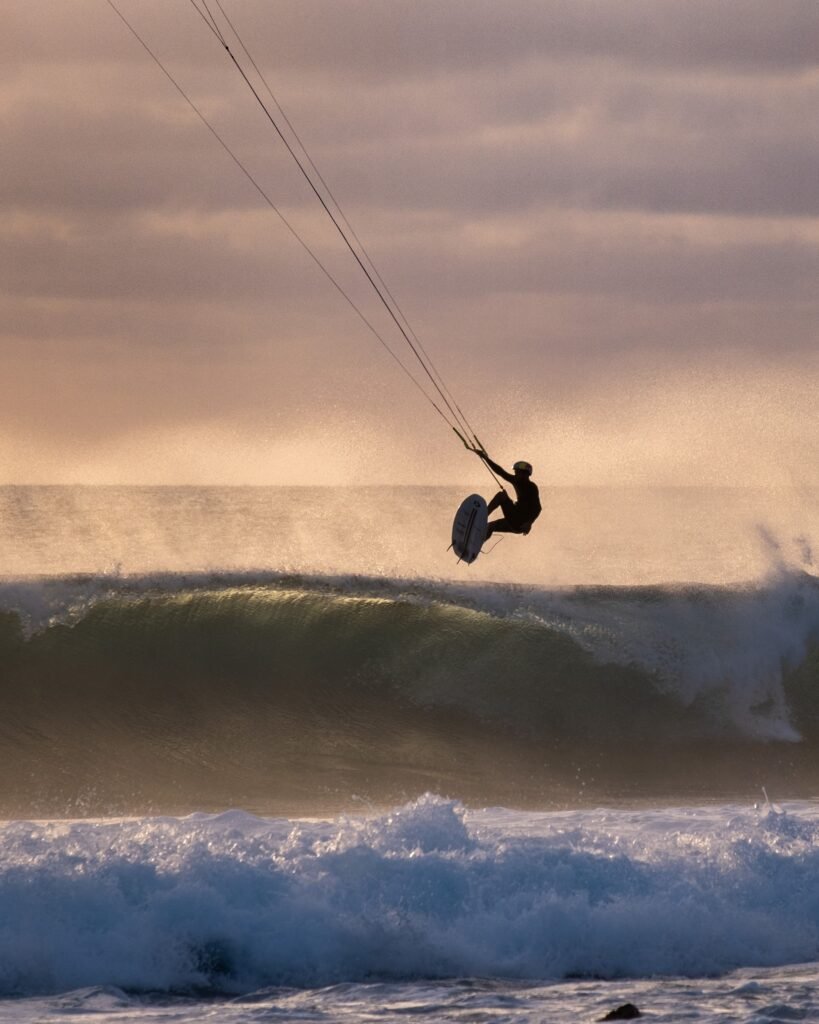
One of the most popular islands for tourists because it houses the oldest and largest international airport in the country. But do not think Sal lacks authenticity—it boasts some of the most amazing beaches in the country for both relaxation and water sports like surfing and windsurfing. Beyond the big resorts, you can stay at local boutique hotels for a genuine island experience. Fun fact: our famous “No Stress” slogan was created right here! Discover more in my Sal guide.
6. Boa Vista
Also very popular among visitors for its calm, beautiful beaches. Boa Vista is a stunning contrast to the green, rugged mountain islands—here, you will be surrounded by crystal-clear waters and sweeping desert sand dunes.
7. Maio
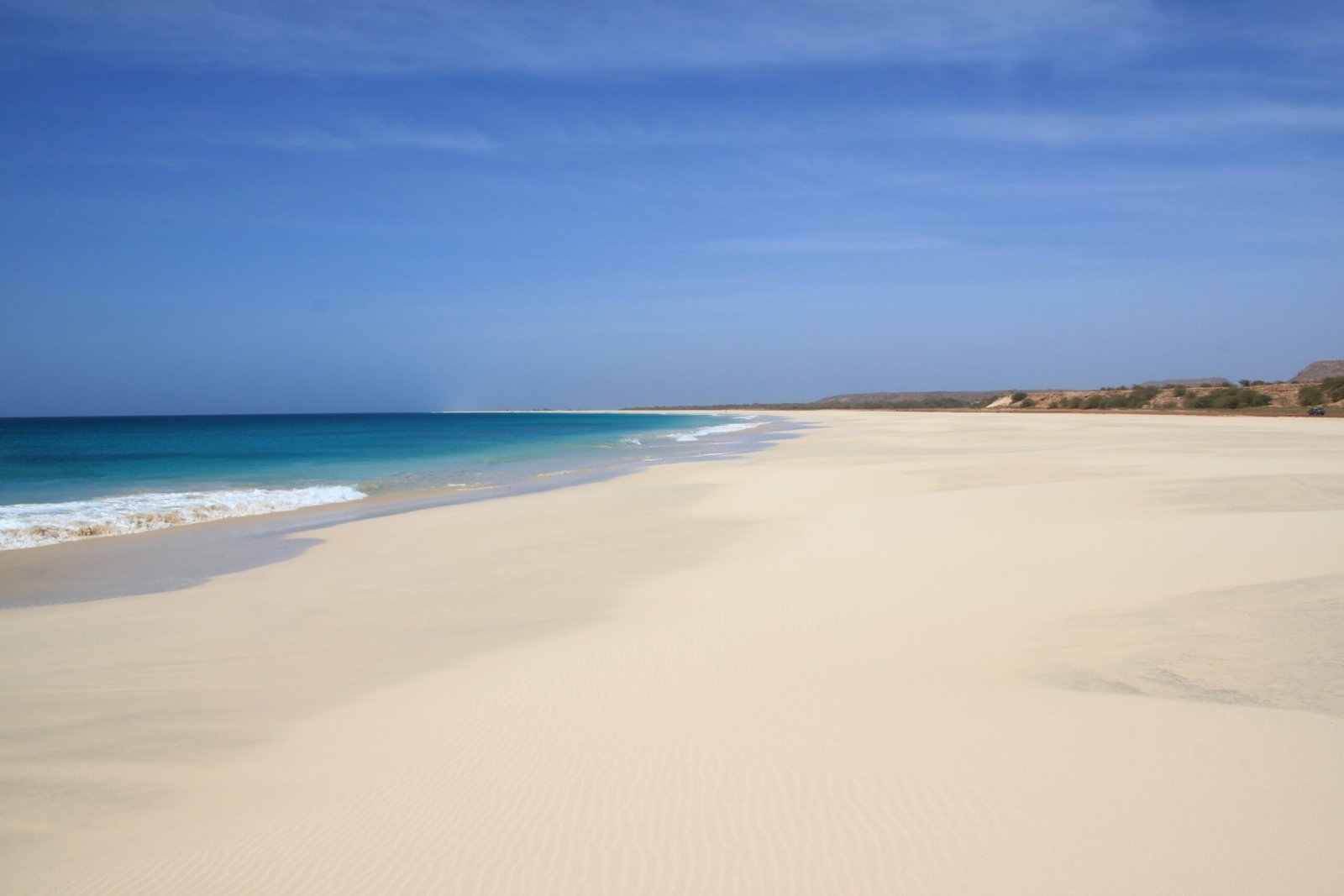
While most people do not know about or visit Maio, this island has—in my humble opinion—some of the most heartwarming people in the world. The locals make this island extra special! It features quiet beaches, endemic animals, historic old salt mines, and delicious traditional cheese made from goat’s milk.
8. Santiago
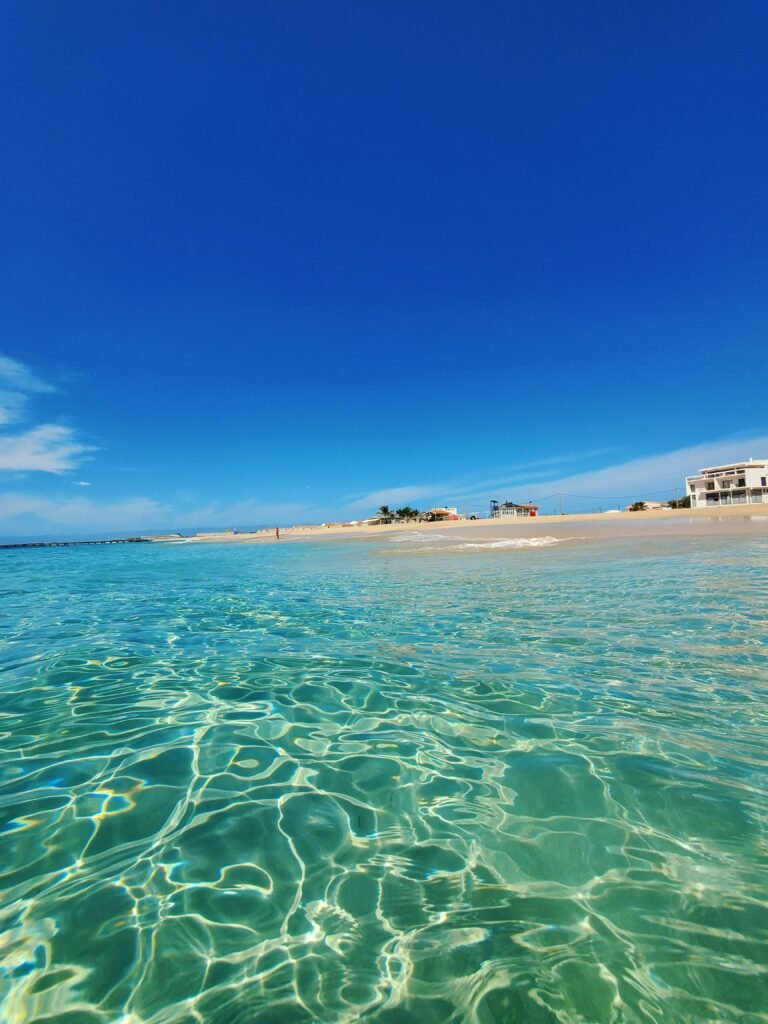
Home to our capital city, Praia, Santiago offers a bit of everything: dramatic mountain landscapes, historic sites (Cidade Velha), beautiful beaches, and our largest population, giving you the truest sense of our nation’s daily culture. I break down all the best spots, stays, and hidden gems in my Santiago guide.
9. Fogo
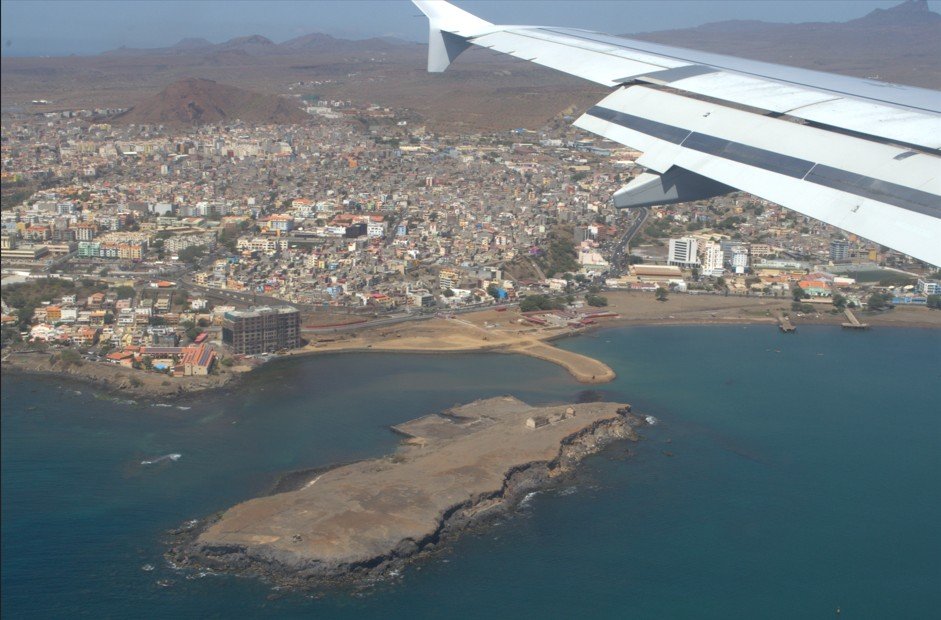
Dominated by the majestic volcano, Pico do Fogo, which you can actually climb for breathtaking views! While on Fogo, you can sample locally produced volcanic wine, coffee, cheese, and fresh fruits grown right in the rich lava soil. Ready to climb the volcano? Read my guide to visiting Fogo for tips.
10. Brava
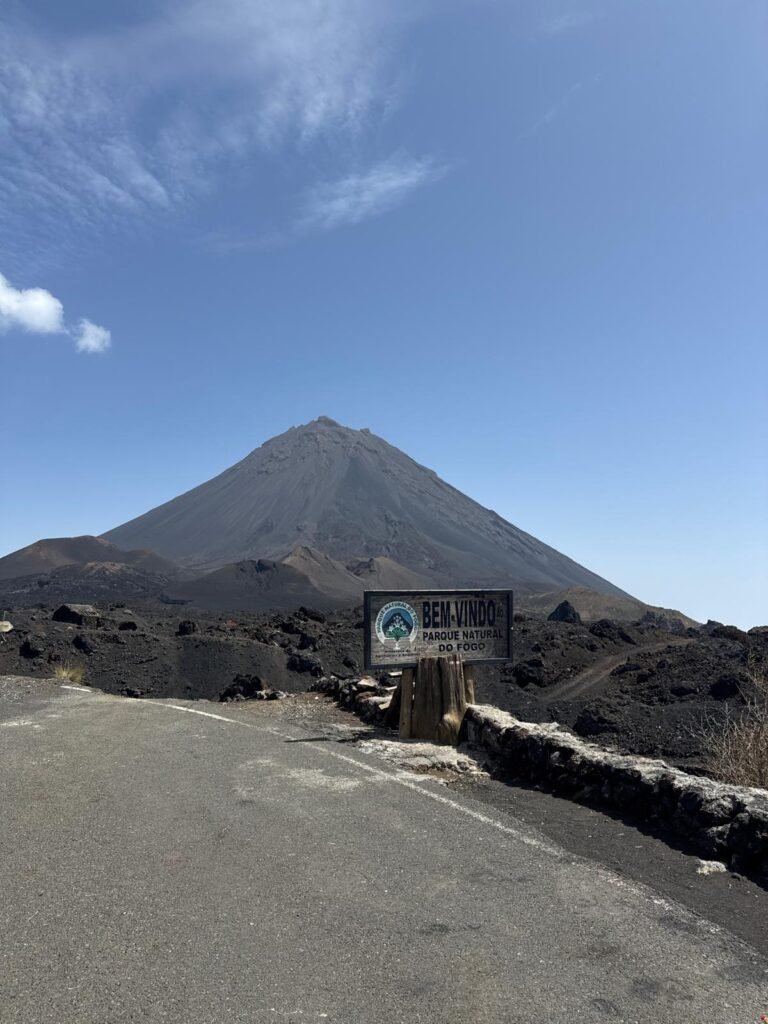
Known among us as the “Island of Flowers.” This tiny island has a slow, peaceful feel and exceptionally warm people. You will enjoy cooler, foggy weather here that makes it fantastic for growing fruits and vegetables. Nova Sintra on Brava was the home of Eugénio Tavares, one of our greatest poets.
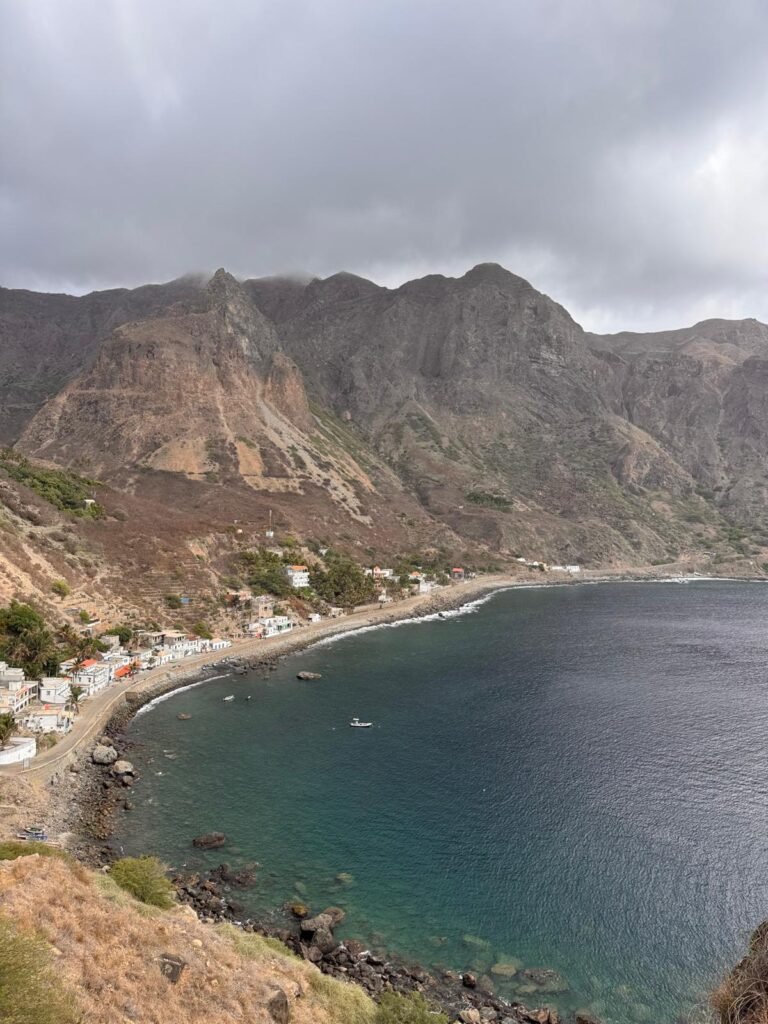
A Personal Note: I have personally visited almost all of the islands except Boa Vista and Santa Luzia—but I plan on fixing that very soon!
The islands are broken down into two groups:
- Barlavento Islands – Santo Antão, São Vicente, Santa Luzia, São Nicolau, Sal and Boa Vista
- Sotavento Islands – Maio, Santiago, Fogo and Brava
Food & Flavor: What You Need to Eat
Our food is absolutely amazing. Like everything else in our nation, it is a blend of multiple cultural influences mixed into a unique Cabo Verdean cuisine.
Catchupa & Catchupa Refogada
Our main national dish is called Catchupa—you need to try it! It is a rich, slow-cooked rich stew made from dried hominy corn, beans, vegetables, and pork.
However, I cannot skip talking about my absolute favorite version: Catchupa Rafogado.
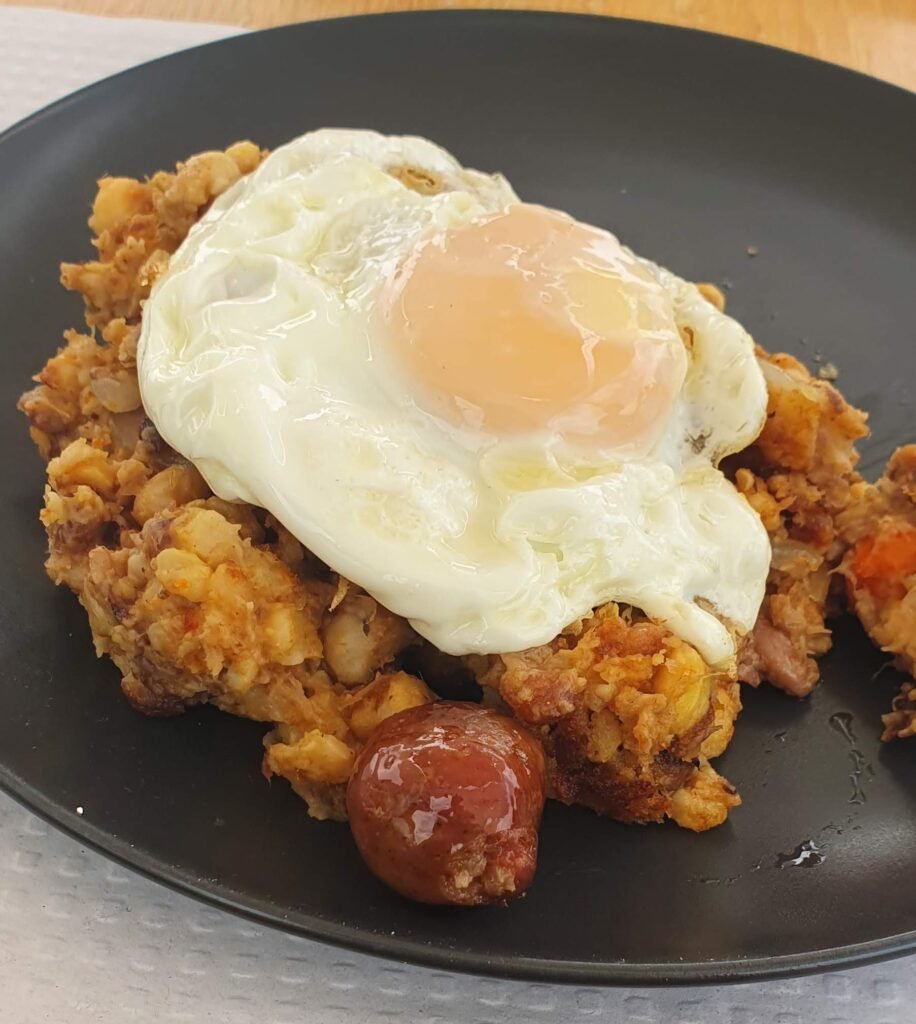
Catchupa Rafogado is the refried version made from the previous day’s leftovers. It is sautéed in a pan with onions and oil until all the stew dries up. Once ready, it is traditionally served with a fried egg on top plus some grilled longuiça (sausage).
Look, both versions are delicious, and it comes down to preference, but I am firmly Team Catchupa Rafogado! (If you are on team regular Catchupa, don’t worry—we can still be friends!)
Corn Specialties & Fresh Seafood
A vast majority of our traditional dishes use corn, such as: cuzcuz, pastel de midjo, and xerém.
Don’t worry if you want options without corn—we have plenty! You will find incredible fresh fish, octopus, lobster, shellfish, and seasonal fruits across every island. I will for sure do a whole post diving into the many food options available.
Art, Music, & Cultural Traditions
Music is the heartbeat of our islands. Everywhere you go, you will hear island rhythms such as Morna, Funaná, Batuku, and Coladeira.
You can also discover traditional crafts like Pano di Terra—a woven cloth originally made by hand from cotton plantations during colonial times. Local artists have turned our towns into open-air galleries, with entire streets filled with art and tall building murals (up to 39 ft/12m) celebrating our biggest national figures, like musical legend Cesária Évora and sports heroes like Vozinha.
Essential Travel Tips & Logistics
Now that you know what makes our islands special, let’s get into the practical details to help you plan your trip smoothly.
1. Visas & Entry Requirements
Many countries do not require a visa for short tourist stays. However, all visitors must pre-register online via the official EASE portal before arriving.
In some cases, an Airport Security Tax (TSA) applies, which you can conveniently pay directly on the EASE portal up to 5 days before your flight.
2. Money & Payments
Our currency is the Cabo Verdean Escudo (CVE).
- Rough conversion: 1 EUR ≈ 100-110 CVE | 1 USD ≈ 90-95 CVE.
- Cards vs. Cash: Most major establishments and restaurants accept credit cards, but some smaller spots do not. Always carry local cash with you! Cash is essential if you plan on taking taxis, local buses, shared vans (hiaci), or shopping at local food markets. Some vendors take Euros, but you will usually get change in Escudos.
- Tipping: Tipping is not mandatory like it is in the US. However, if you are pleased with the service, leaving a small tip is always welcomed and appreciated.
3. Vaccinations & Health Precautions
- Vaccines: There are currently no mandatory vaccinations required to enter Cabo Verde unless you are arriving from or transiting through an area with Yellow Fever transmission (in which case passengers over 1 year old must show an International Certificate of Vaccination). Routine vaccines like Tetanus, Hepatitis A, and Typhoid are recommended.
- Malaria & Mosquitoes: Cabo Verde was officially certified malaria-free by the WHO in 2024! However, mosquito repellent is still recommended to protect against seasonal Dengue.
- Sun Protection: The sun here is strong—always wear high-SPF sunscreen, a hat, and stay hydrated!
4. Language: Portuguese & Kriolu
While Portuguese is our official language, our true mother tongue is Kriolu. It is a unique creole language blending African languages, Portuguese, and other influences.
If you stick around my blog, I will be sharing some basic Kriolu lessons so you can chat with the locals! But don’t worry if you don’t speak it—everyone understands Portuguese, and most younger locals speak or understand basic English and French learned in school.
5. Tech & Connectivity
- Plugs: We use European-style round 2-pin plugs (220V). If you are coming from North America, you will need a plug adapter and voltage converter for non-dual voltage devices.
(Include image)
- Internet: Hotels, restaurants, and many public town squares (Praça Digital) offer free Wi-Fi. For mobile data, you can easily grab a physical SIM card or eSIM from our local operators, Alou or Unitel T+.
Transportation: Getting To & Around the Islands
International & Domestic Flights
Multiple international flights connect our islands directly to Europe, North America, South America, and mainland Africa.
Here is the list of the international airports:
- Amílcar Cabral International Airport (SID) – Sal
- Aristides Pereira International Airport (BVC) – Boa Vista
- Cesária Évora International Airport (VXE) – São Vicente
- Nelson Mandela International Airport (RAI) – Santiago
The remaining airports:
- Maio Aerodrome (MMO) – Maio
- Preguiça Aerodrome (SNE) – São Nicolau
- São Felipe Aerodrome (SFL) – São Filipe
For flying between islands, domestic flights take roughly 20 to 40 minutes (the longest flight being São Vicente to Santiago). CVSky operates domestic flights.
Inter-Island Ferries (CV Interilhas)
Two of our islands—Santo Antão and Brava—do not have airports, meaning you will rely on ferries to reach them:
- São Vicente ↔ Santo Antão: ~1 hour ferry ride (approx. 1,500 CVE / €13.50).
- Fogo (São Filipe) ↔ Brava: ~1 hour ferry ride (approx. 1,500 CVE / €13.50).
There are also ferry lines connecting the other island groups (like the Barlavento and Sotavento lines). You can check schedules and buy tickets on the CV Interilhas website.
Here is the list of the ferry routes available:
- Barlavento Line: São Vicente – Santo Antão (14 times per week)
- Redonda Line : São Vicente – São Nicolau – Sal – Boa Vista – Santiago (2 times per week)
- Sotavento Line : Maio – Santiago – Fogo – Brava (3 times per week)
- Rectangular Line : São Vicente – São Nicolau – Santiago – Fogo – São Vicente (every 15 days)
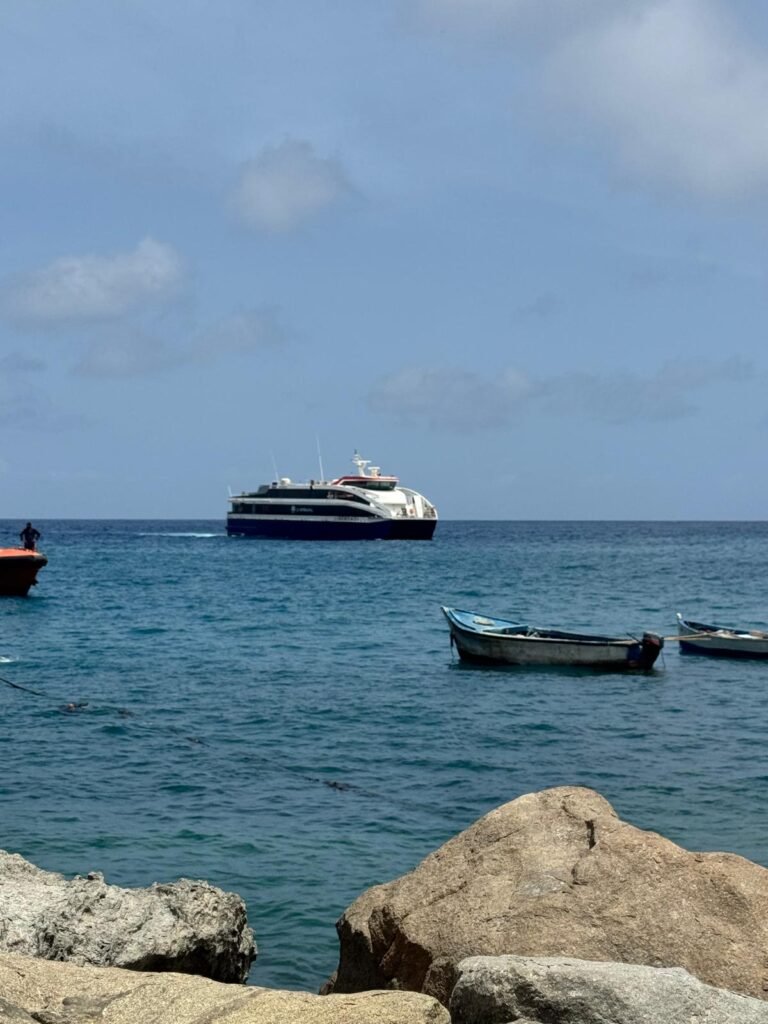
Pro Tip: Sea conditions can occasionally cause ferry delays or cancellations. Always give yourself a buffer day in your schedule before your international flight back home just in case!
Now that we have taken care of the basic information and logistics, I hope to see you around the islands soon. Welcome to Cabo Verde!